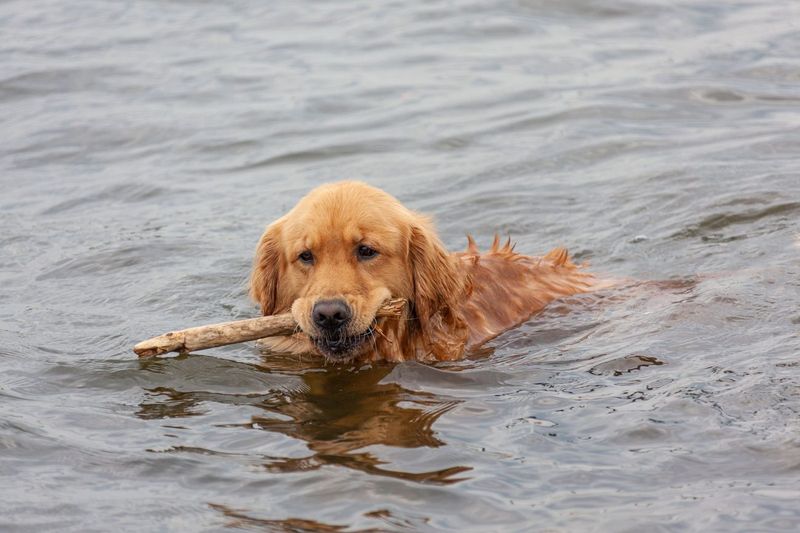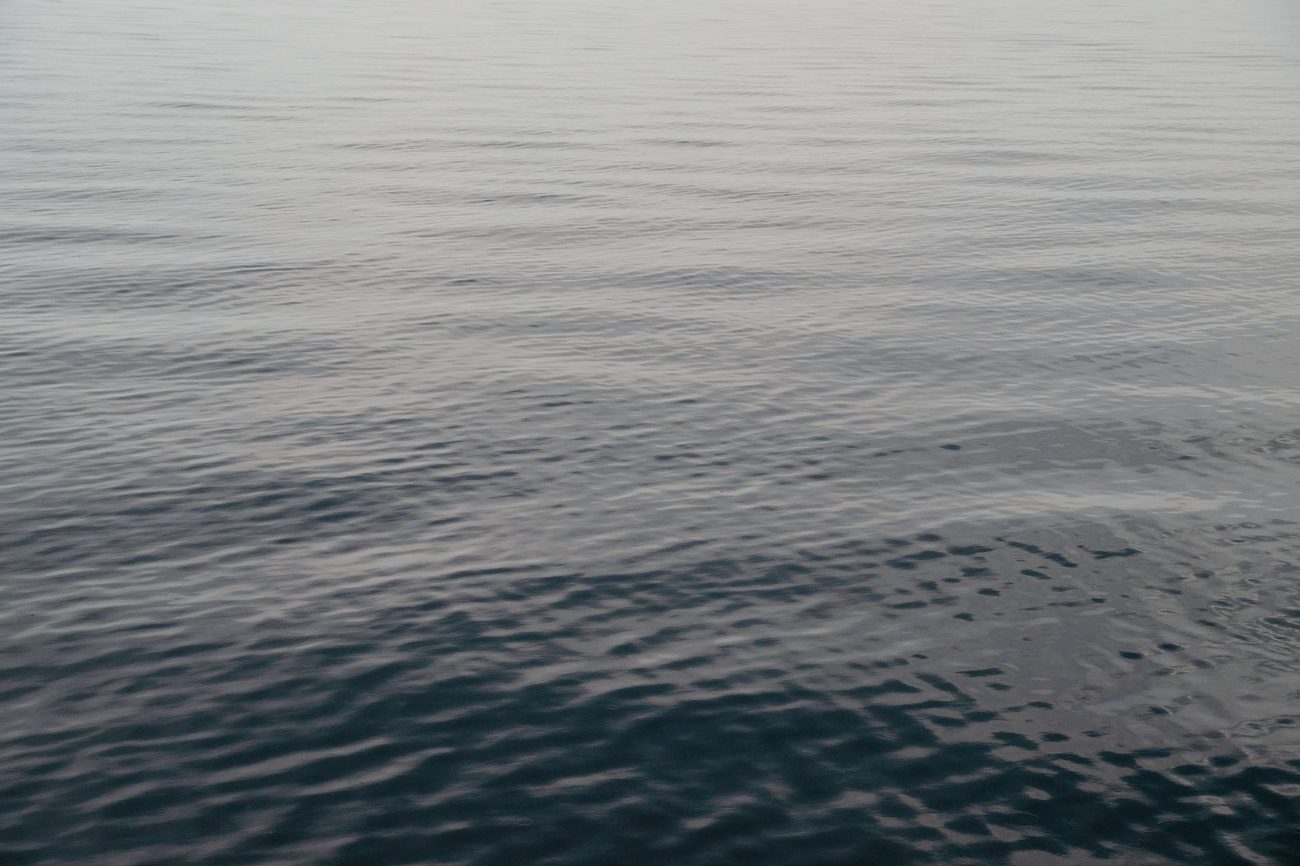
The water at the public access looked like someone had tipped a can of pea-green paint along the shoreline, and Hank, who believes all water belongs to him personally, was already leaning into his harness toward it.
"Nope," Caleb said, and turned him around.
That was a Sunday afternoon last week, at a small lake we sometimes stop at on the way home from his parents' place. In June the same spot was clear enough to see the sand. By late August, after a run of hot, still days, there was a thick green scum pushed up against the shore on the downwind side and a faint smell like cut grass gone bad. We didn't need a sign to make that call. (There was one, though, stapled to the kiosk.)
Why late August
Blue-green algae, which is really a kind of bacteria, does best in warm, shallow, nutrient-rich water on calm, sunny days. That describes a lot of Minnesota lakes in August. Not every bloom is toxic, but there's no way to tell a harmless one from a dangerous one by looking, and that's the whole problem. Dogs are especially exposed, because they swim through it, drink it and then lick it off their coats.
The state's advice boils down to "when in doubt, stay out," and that's our rule too. Late August is also when a few of those worried calls come in at work, and I've never once wished someone had waited longer before picking up the phone.
How we check before a swim
Every time, before Hank goes into anything that isn't moving water:
- Look at the water. Pea soup, spilled paint, a green or blue-green film, streaks, scum or foam along the edge all mean no.
- Look downwind. Blooms get pushed toward whichever shore the wind is blowing at. A lake can look fine at one access and awful at another.
- Read the signs. Public accesses and beaches sometimes post warnings, so I read the kiosk every time.
- Use your nose. A musty, grassy, slightly rotten smell is a reason to walk away.
- If we're unsure, we don't. No dog has ever been harmed by skipping a swim.
We also try never to let him drink lake water. There's a squeeze bottle and a collapsible bowl in the car all summer, and I offer him a drink before we get near the shore so he isn't thirsty when he goes in.
The spots we skip
From mid-August until the first cold nights of September, we skip shallow bays, still backwaters, boat landings with weedy edges and any lake where we've seen a posted warning this season. That rules out more places than I'd like, especially on the hottest days, when he'd enjoy a swim the most.
It's a tradeoff, and I won't pretend it isn't. Hank doesn't understand why we drove past the lake. He sighs in the back seat in a way that's genuinely hard to listen to.
Where Hank swims instead
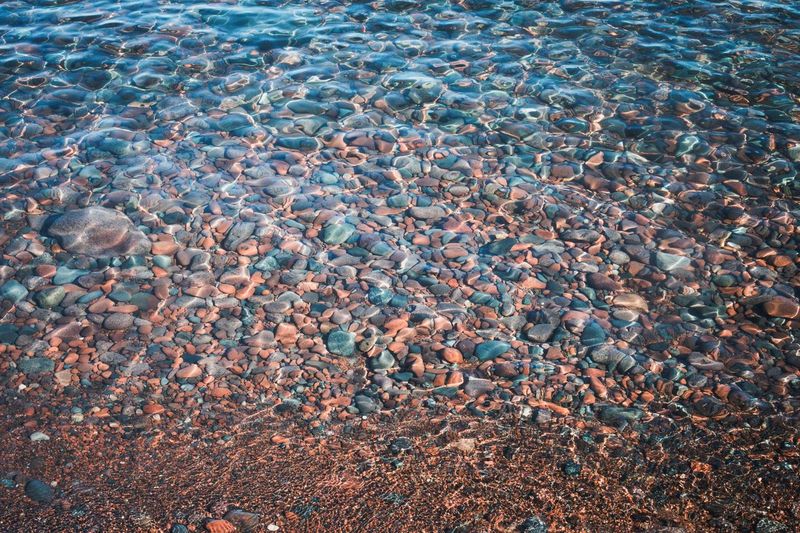
His favorite place in the world, as far as I can tell, is a sandy bend on the Rum River right here in Cambridge. It's moving water with a sandy bottom you can see, and there's a gentle slope where he can wade out to his chest and swim a few strokes after a stick before the current nudges him back. He wears his life jacket there too, because a river current is a different thing from a still lake.
Moving water isn't a guarantee of anything, and I still look before he goes in. But a clear, flowing river is a lot easier to read than a warm, still bay.
Every swim, wherever it is, ends the same way now: a rinse with clean water from the jug in the car, a towel rub and a careful drying of both ears. After his ear infection earlier this month, I'm not skipping the ears.
If Hank ever went into water I wasn't sure about and seemed even a little off afterward, I wouldn't wait to see how it played out. That's an immediate call to a vet or the nearest emergency clinic, and your own vet can tell you ahead of time what to watch for in your dog.
On Saturday we went to the river bend instead. Hank came out sandy to the shoulders, shook all over Caleb and didn't care one bit which body of water it was.