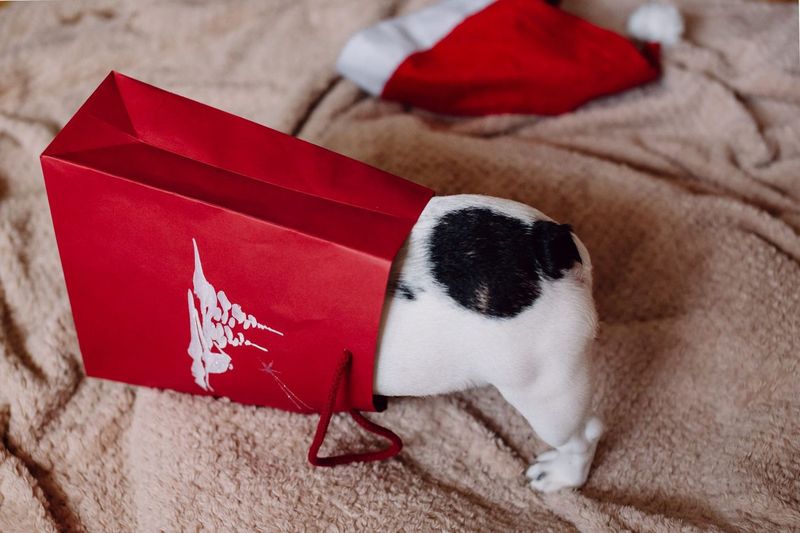
The Friday before Easter, the phones at work start ringing a little differently. By mid-afternoon, at least a few of the calls start with the same nervous sentence: "Okay, so my dog just ate something."
I've worked at a vet clinic front desk for most of a decade, and holiday weekends follow patterns. Easter has its own. I'm not a vet, so I can't tell you what's dangerous for your pet in what amount. What I can tell you is which foods keep coming up on the phone, what our vets usually want to know when someone calls, and the rules we keep at home, with Easter coming on Sunday.
The usual suspects
- Chocolate. The number one Easter call, by far. Baskets get left on a coffee table at exactly dog-nose height, and foil eggs are easy to swallow wrapper and all. When people call, the vet will want to know what kind of chocolate (dark, milk, baking), roughly how much, the dog's weight and when it happened.
- Ham bones and fatty trimmings. The ham comes out, someone slips a fatty piece under the table, or the bone gets left on a counter. Cooked bones can splinter, and rich, fatty scraps are a very common reason for upset-stomach calls in the days after a holiday.
- Grapes and raisins. These show up in fruit trays, hot cross buns and kids' snack bags. Our vets treat them as toxic for dogs, and they always want to hear about it right away, not after symptoms start.
- Lilies. This is the one for cat people. Easter lilies and several other lilies are extremely dangerous to cats, even in small amounts, and that includes pollen and the water in the vase. Of all the Easter calls, these are the ones that make the room go quiet.
- Sugar-free candy and gum. Many contain xylitol, which is dangerous for dogs. These tend to be in purses and coat pockets, not baskets, which is why they get missed.
- Plastic Easter grass. Cats love it. The trouble with anything stringy is that it can bunch up in the intestines, and our household learned the hard way, from a roast tied with twine, what that kind of surgery costs.
What the front desk wants to hear
If something gets eaten, the calls that go smoothest are the ones where the person already has the information ready. Keep the wrapper or the package. Know your pet's rough weight. Have a guess at how much is missing and when it happened. The vets I work with would much rather hear about it early, when there are more options, than late on Monday when the dog has been sick all night.
If your own clinic is closed, the nearest emergency hospital is the call, and it's worth looking up its number before the holiday so you aren't searching for it with a dog that just ate a basket.
Our counter rules at home
We're having Caleb's parents over for ham on Sunday, which means more people, more food on more surfaces and more chances for Hank, who is extremely food-motivated and patient about it. Here's what we do:
- Baskets and candy live on top of the fridge or behind a closed door. Not the coffee table, not a chair, not "just for a minute" on the counter.
- Purses and coats go on the bed in the office with the door closed. Every guest gets told, nicely.
- No lilies in the house, ever. My mom knows this, and she sends tulips instead.
- The ham bone goes straight outside into the garbage can with a lid, in a tied bag. Same for any string, netting or foil from the roast.
- During dinner, Hank gets his own project: a Kong Classic stuffed with his regular kibble and a little water, frozen overnight, in the living room. It keeps him busy for the length of a meal and doesn't add anything new to his stomach.
- Nobody feeds the dog from the table. Caleb's dad finds this one hardest. We remind him every year.
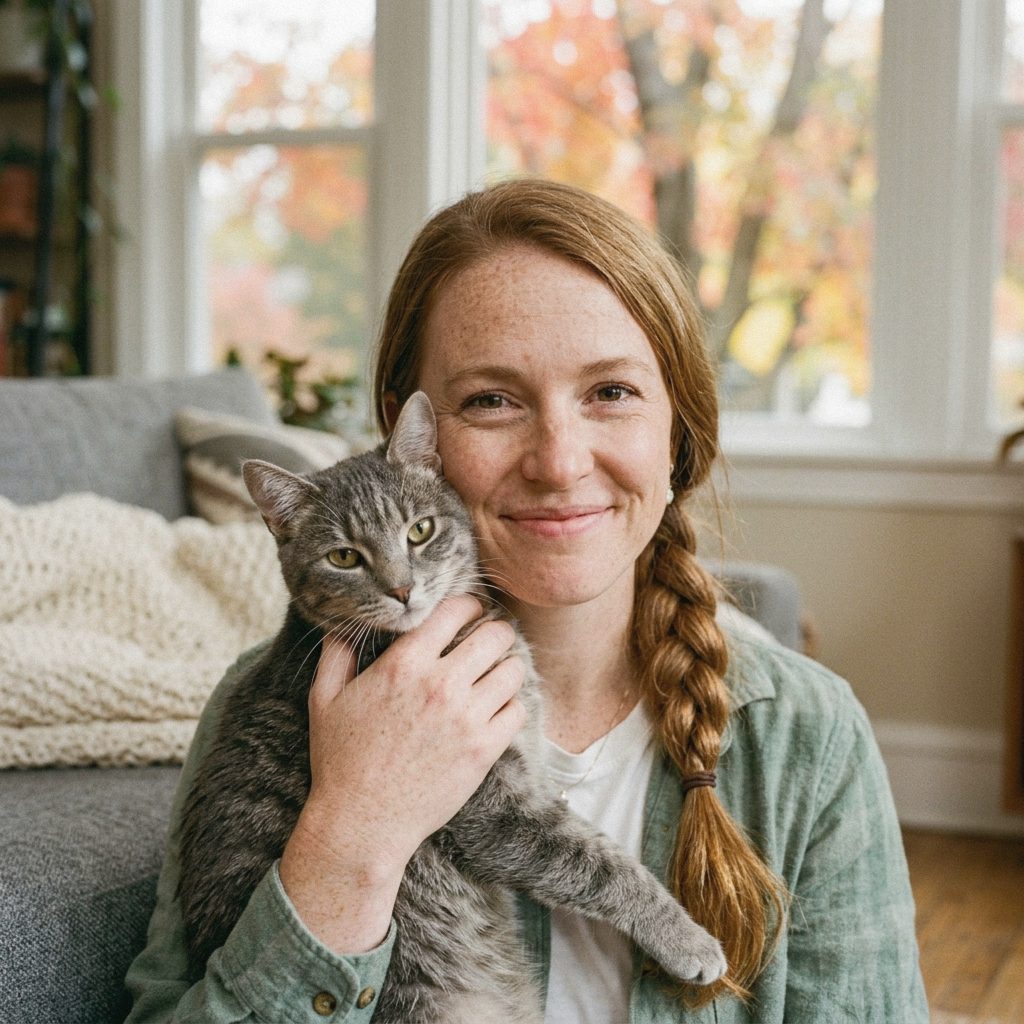
Mabel gets nothing special for Easter except a closed door during dinner if the guests are loud, which she prefers anyway.
None of this is complicated, and none of it feels like a big deal until the one year it would have been. I'd rather spend Easter Sunday doing dishes than sitting in an emergency waiting room, and after 2022, Caleb would too.