Sixty cans a month. That was the number that made Caleb set his coffee down when I did the math out loud at breakfast.
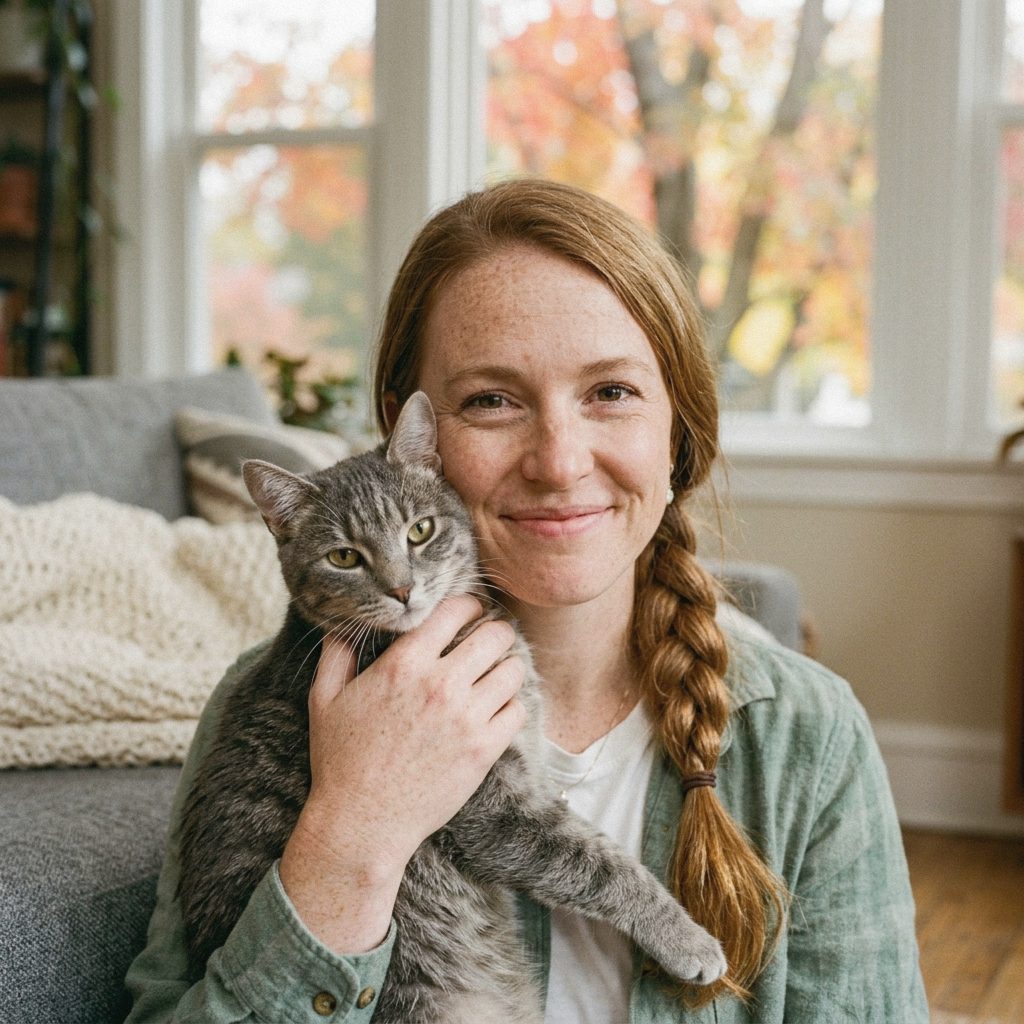
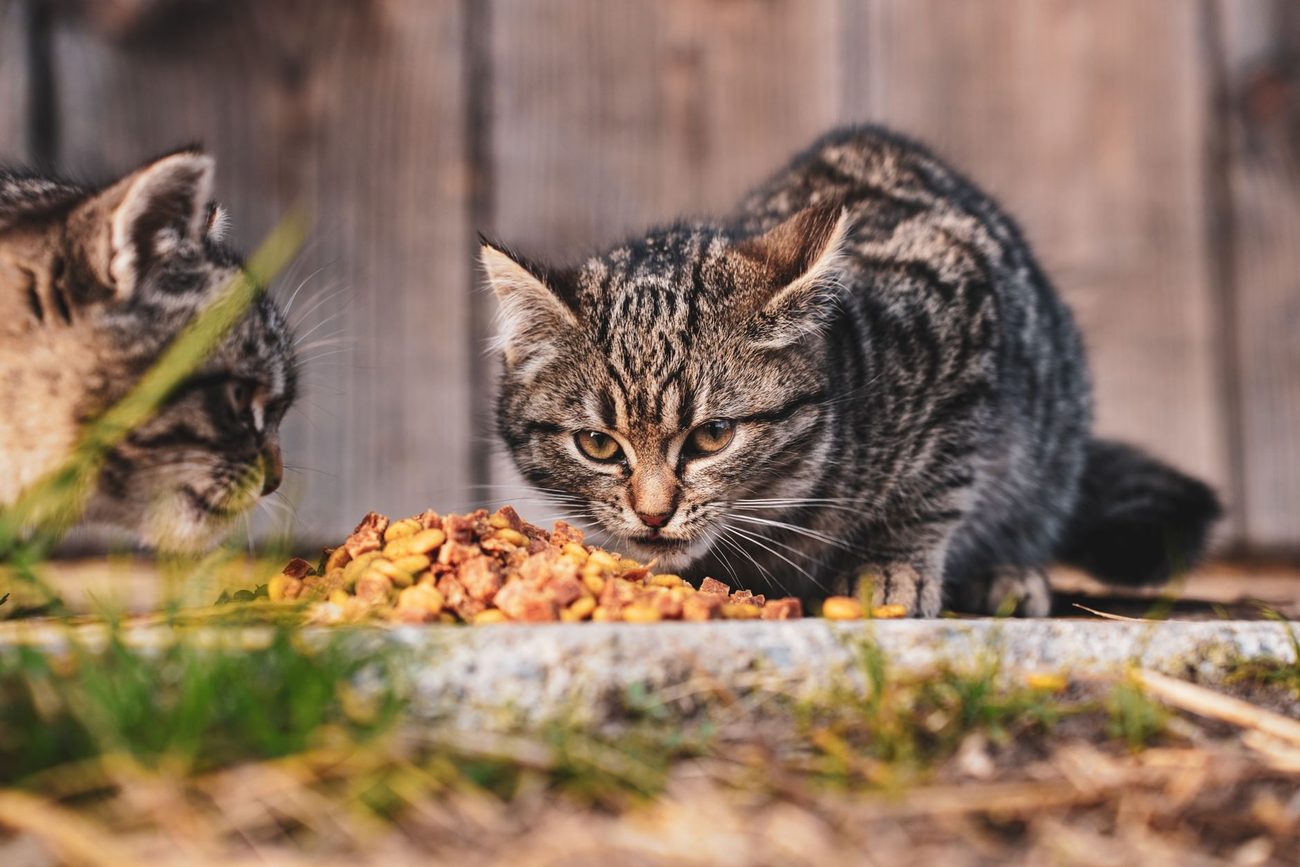
For years Mabel ate the same way: a measured scoop of Hill's Science Diet Adult 7+ dry through the day and one 3-ounce can of Fancy Feast Classic pâté in the evening, which she considers the actual meal and the kibble a sort of snack bar. It cost us about $38 a month, and it was easy. Fill the bowl, open one can, done.
Why we changed it
In March, while we were sorting out insurance for her, I asked our vet a passing question about how little Mabel seems to drink, and the answer turned into a ten-minute talk about moisture. Nobody was diagnosing anything. Mabel's bloodwork last fall was normal. The point was simpler: cats aren't big drinkers, older cats tend to do better with more water in their day, and the easiest place to add it is the food bowl. The suggestion was to move Mabel toward mostly wet food and keep a little dry in the mix if Mabel insisted.
Mabel insisted.
That conversation was about our cat, with her history and her lab work. If you're wondering about your own cat's diet, that's a question for the vet who knows her, because the right answer depends on things I can't see from here.
How we switched
Since she already ate pâté every day, the switch was mostly a shuffle. Over about ten days at the end of March, we added a second can and cut the dry back in steps, so her total food stayed about the same. Now her day looks like this:
- One can at about 6:30 a.m., before Caleb leaves for work.
- One can at 5 p.m., which she starts asking for around 4:15.
- A small scoop of dry at bedtime, so she has something to crunch overnight.
I made one mistake along the way. On about day four I got impatient and cut the dry back too fast, and she spent that evening sitting next to her nearly empty kibble bowl, staring at me like I'd sold the furniture. We slowed down after that, and she forgave me by breakfast.
She finishes each can in one sitting, which helps with the teeth she has left after last June. We don't leave wet food sitting out for hours, and anything she walks away from gets tossed before the next meal.
What it costs now
The cans run a little under a dollar each when we buy them by the case, so sixty a month comes to about $54. The bag of dry now lasts much longer, about $7 a month instead of $11. Her food went from $38 a month to $61.
That $23 jump, plus a price increase on Hank's kibble this year, takes our food and litter total from $140 a month to $167. It isn't nothing. I found most of the $23 by skipping a couple of takeout pizzas a month, which Caleb noticed before he noticed the cans.
What we've noticed so far
It's been about two weeks on the full routine, which is early, so take these as notes rather than results.
- Bigger clumps in the litter box. More water in, more water out. Our vet said this would happen, and it did. We may use a bit more than our usual $21 a month of litter, but it's too soon to tell.
- Less from the water bowl. Her bowl goes down more slowly now, which makes sense when most of her food is water.
- A very punctual cat. Mabel has always had opinions about mealtime, but two real meals a day have turned her into a clock. At 4:15 she sits in the kitchen doorway and chirps at me until I look up.
- Her weight. She was 10.4 pounds last year, and the goal is to keep her right around there. I weigh her at home every couple of weeks the old way: me on the bathroom scale holding a cat, then me alone, then subtract.
The downsides are real but small. The recycling bin fills faster. A weekend away now needs someone who will open cans on schedule instead of a sitter who tops off a kibble bowl. And our kitchen smells faintly of salmon pâté at 6:30 every morning.
Mabel's verdict: two cans a day is a reasonable start, and she would like to discuss a third.