Senior wellness panel, feline: $265.00. Employee discount, 30%: minus $79.50. Balance paid: $185.50. The receipt is still folded in my wallet, and the results are in a folder in the office with Mabel's name on the tab, which is the part I actually paid for.
Mabel had her first senior bloodwork last week. Everything came back within normal ranges. I'm still glad we did it, and I want to explain why without making it sound like anyone who hasn't done it for their cat is doing something wrong.
Why eight
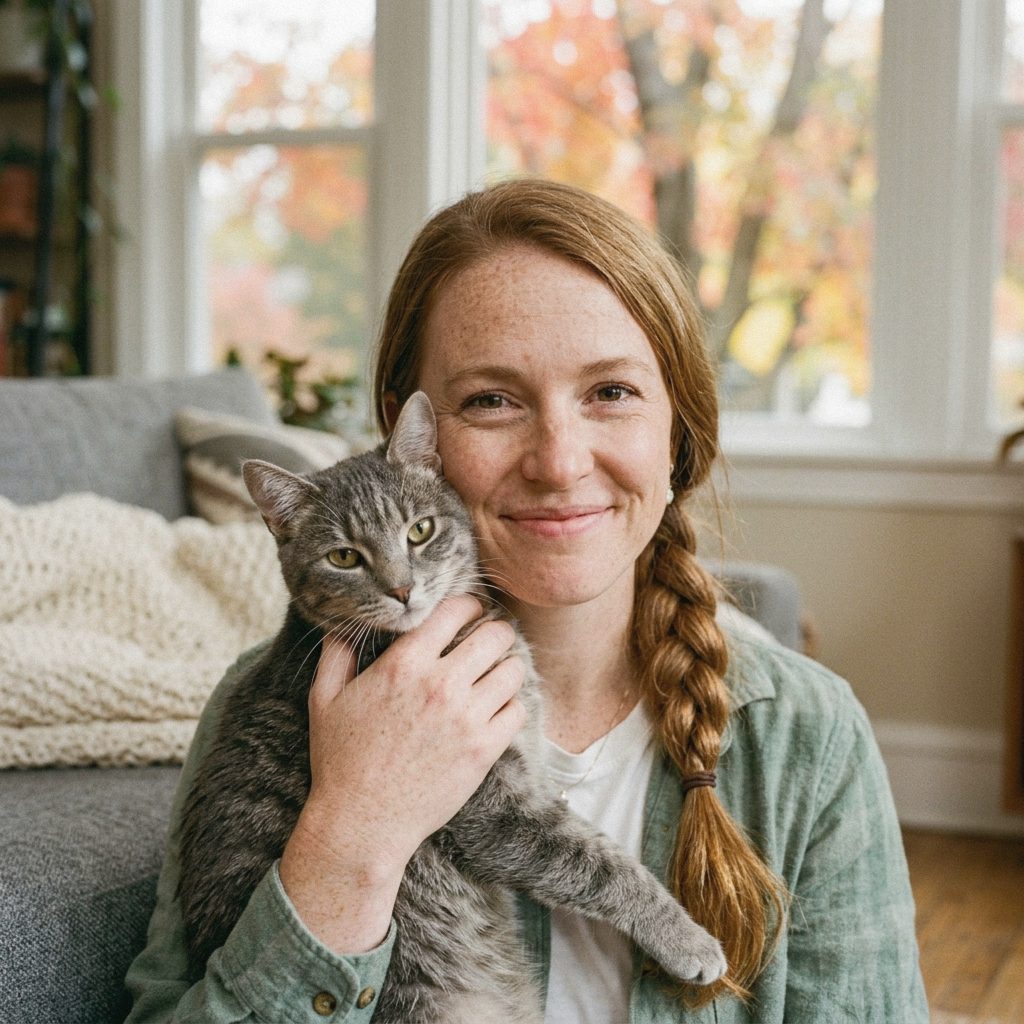
Mabel turned eight in March. She's an indoor gray tabby, 10.4 pounds, bossy and, in her own estimation, perfectly fine. She was perfectly fine in June too, right up until a routine dental cleaning turned into three extractions. Nothing about her behavior had told me her mouth hurt. That's a cat thing, and I knew it was a cat thing, and it still caught me off guard.
Around then, our vet brought up starting yearly senior bloodwork. Plenty of vets suggest regular screening for older cats, and the age they start varies. For Mabel, our vet's reasoning was simple: get her normal on paper while she's healthy, so if something starts to change later there's something to compare it to. One normal result is useful. A few years of her own normal results are more useful.
That's the part that sold me. Not hunting for a problem, just building her baseline.
What it checked, in plain words
I'm not a vet or a tech, so this is the front-desk version of what was on the panel:
- A complete blood count, which looks at red cells, white cells and platelets
- A chemistry panel, covering kidney and liver values, blood sugar, proteins and electrolytes
- A thyroid level, since thyroid changes are common in older cats
- SDMA, an extra kidney marker
- A urinalysis
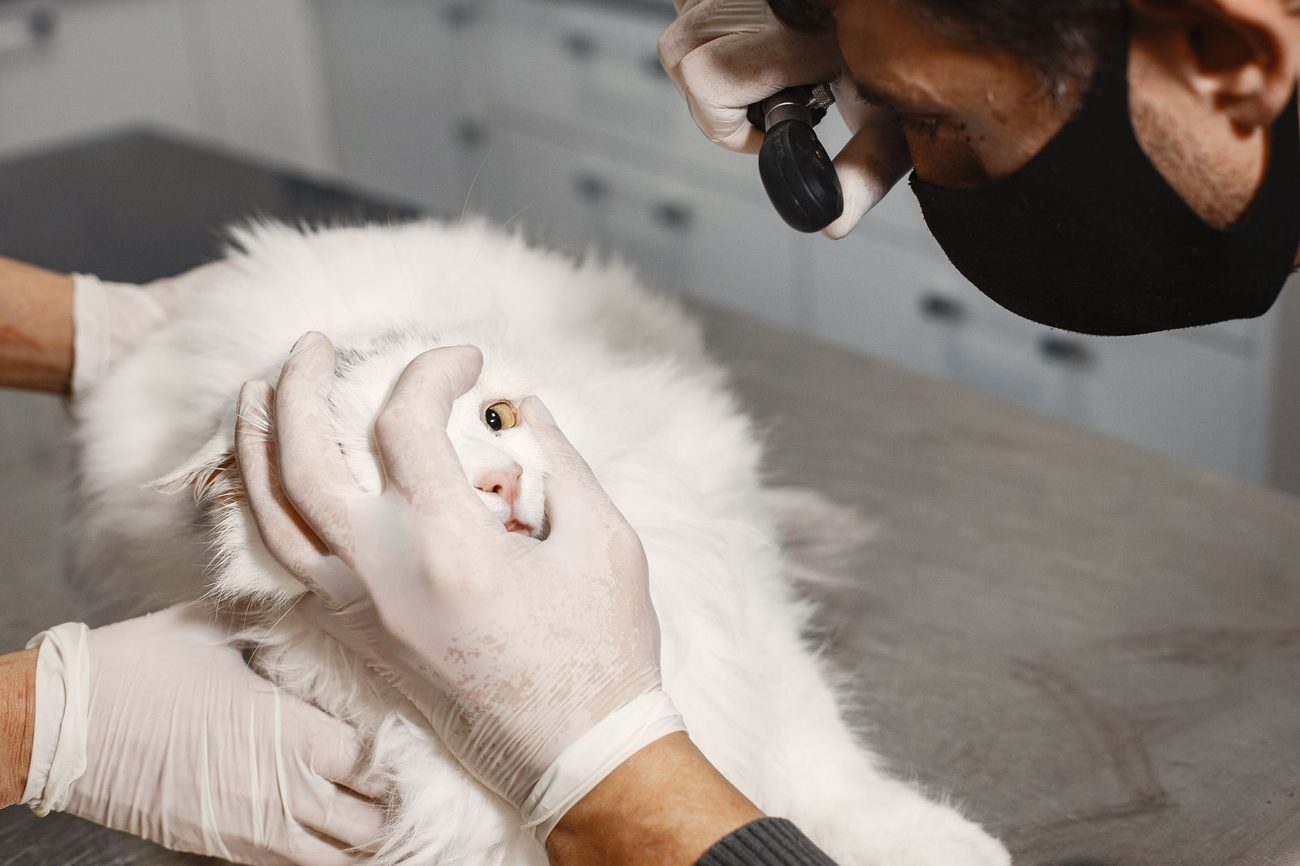
She also got weighed, had a nose-to-tail once-over and a quick look in her mouth, where the extraction sites have healed nicely.
How the visit went
I booked her for a Thursday morning, my day off, so I could bring her straight home afterward instead of leaving her in a back room during my shift. Her carrier lives in the office all year with a fleece blanket in it, so it isn't a box that only appears before bad things happen. She walked into it on her own, which I'd love to take credit for, but she was after the fleece.
The blood draw took two people and about a minute. She growled once, low and offended. The urine sample was collected at the clinic, which spared me from trying to catch one at home, something I've attempted before and will not describe. On the ride home she abstained from every treat I offered through the carrier door, on principle.
Our vet called the next afternoon: everything within normal ranges, nothing to watch, see you next year.
The $185.50 question
It's fair to ask whether $185.50 for "everything's fine" was money well spent. It came out of our regular monthly pet budget, not the pet fund, because the fund is for things nobody planned and this was planned. Mabel isn't insured, and as far as I've seen, screening bloodwork usually isn't something an accident-and-illness policy pays for anyway. Hank's doesn't cover wellness care either.
I'll be honest about the discount, too. At the full $265 I would have thought harder about it, and I'd understand anyone who did. I watch people weigh numbers like that at the counter every week. There's no shame in asking your vet what matters most this year and what can wait until next.
What I got for the money was a page of numbers that describe Mabel right now. Next fall there will be a second page. If those pages ever start to disagree with each other, we'll know earlier than we would have from watching a cat who, as we learned in June, doesn't announce when something hurts.
If you share your home with an older cat, your vet knows her history better than any blog does, and that's the place to ask when screening makes sense.
She's on the radiator shelf as I write this, even though we haven't turned the heat on yet. She's waiting for it.