Ten seconds. That's how long it takes our microwave to bring a spoonful of pâté from fridge-cold to roughly the temperature of a mouse, and for one week in June that little beep was the most important sound in our kitchen.
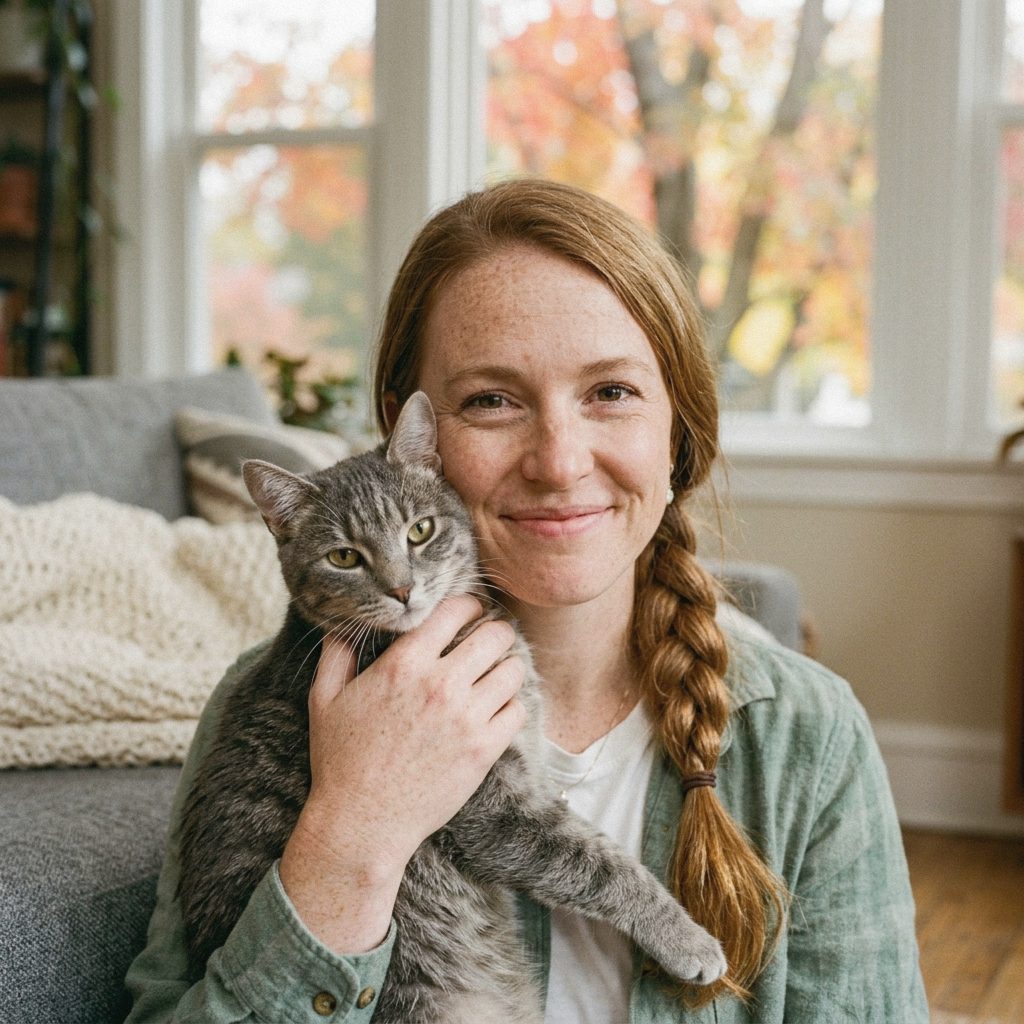
Mabel had three teeth pulled on June 10. I wrote about the bill last week. This is the other half, the part nobody puts on an invoice: what the days after a cat's dental actually looked like at our house.
The first two days: the sulk
She came home Tuesday evening groggy and wobbly, so she spent the first night in our main-floor office with the door shut and the baby gate across it for good measure. In there she had a low litter box, a water bowl, a folded flannel blanket in a cardboard box and, crucially, no dog. Hank lay on the other side of the gate most of the evening, grumbling the low, conversational grumble he uses when he suspects something is being kept from him.
Mabel spent Wednesday facing the closet door. Not hiding, not crying, just sitting with her back to the room like an employee who'd been passed over for a promotion. She ate a little, drank a little, used the box and otherwise refused all eye contact. I'd been told at discharge that appetite can be off for the first day or so, and I've read that same line aloud to clients more times than I can count. It's different when it's your cat ignoring you.
By Thursday night she let me rub her cheeks, carefully. By Friday she was back in the window hammock, chirping at sparrows. The sulk lasted almost exactly two days.
What soft food meant in practice
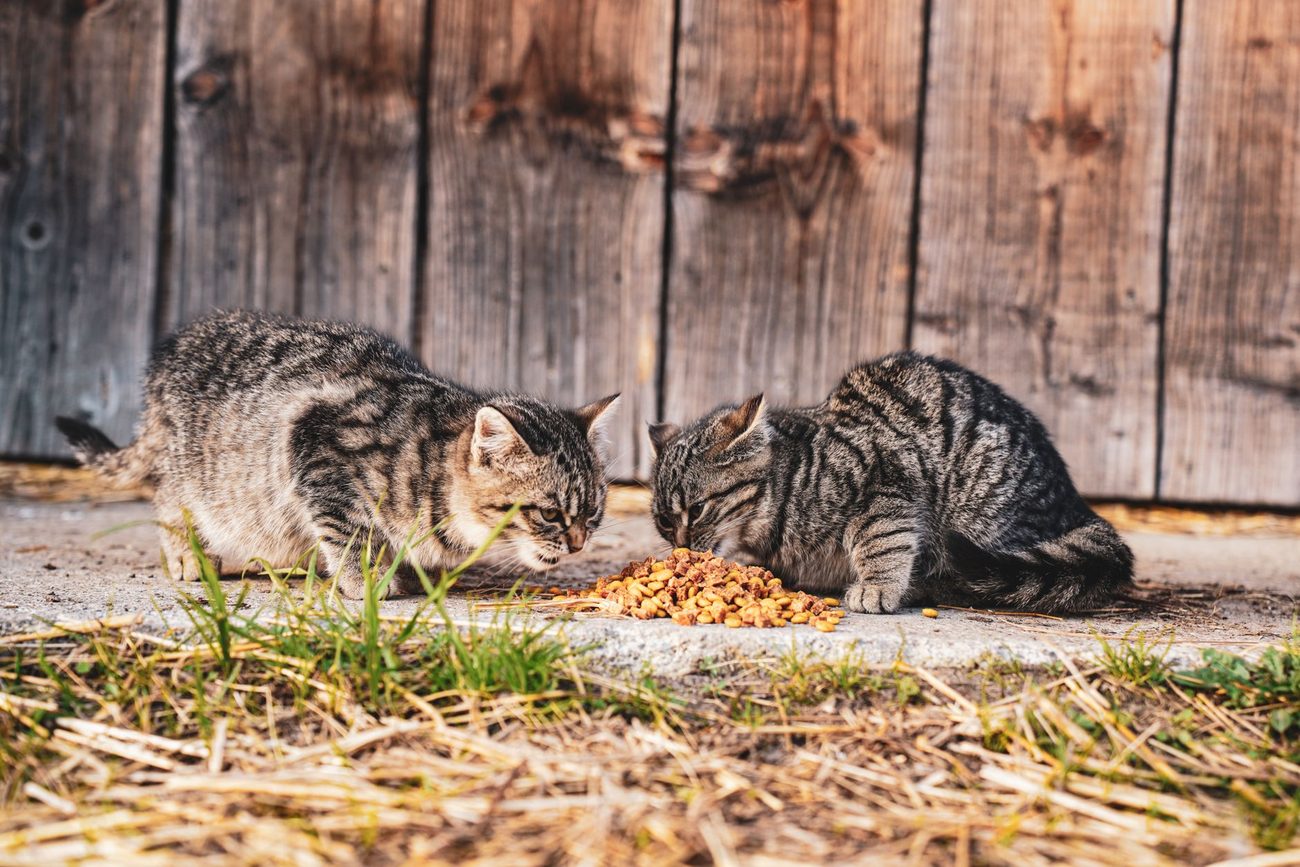
The discharge sheet said soft food only for about a week while her gums healed, so the dry food went into the cupboard. Normally she gets her dry kibble plus one 3-ounce can of Fancy Feast Classic pâté a day, split between breakfast and dinner. For the week she got pâté only, in four small meals instead of two.
A few things I learned along the way:
- Warm food smells louder. A sore mouth seems to make cats pickier, and smell is what gets them to the bowl. Ten seconds in a glass dish, stirred well, then tested with a fingertip. Never warmer than my finger.
- Flat saucer, not a bowl. Her usual bowl is deep. On a saucer she didn't have to push her face in, and she ate noticeably more.
- Smaller meals, more often. A full can sitting in front of her went crusty. A quarter can every few hours didn't.
- A splash of warm water. Classic pâté is already smooth, but a few presses with a fork and a teaspoon of warm water made it easier to lap.
The extra cans for the week came to about fourteen dollars. Cheap, as recoveries go.
Hiding the pain meds
She went home with pain medication for the first few days, and Mabel takes medicine about as well as she takes baths. Our vet's suggestion, and one I pass along at the desk all the time, was a lickable treat, the squeeze-tube kind cats go nuts for. I squeezed a little onto the saucer, mixed in her dose exactly as the label said and offered it before her meal, while she was hungriest. She licked it clean every time and never once caught on. I'm told this doesn't work for every cat. It worked for ours, and I'm not asking questions.
My mistake of the week: on Thursday I got impatient and warmed her pâté for twenty seconds instead of ten. It came out hot in the middle. I'd tested the edge, not the center, and she took one lick and walked away offended for an hour. Stir first, then test the middle. Lesson learned.
The recheck
The following Tuesday she rode to work with me again for a quick look at her gums. Our vet liked how things were healing, and we were cleared to bring the dry food back gradually. Your own cat's discharge instructions will have their own timeline, and those are the ones to follow, not mine.
By the weekend she was back to normal: dry food in the morning, half a can at breakfast and half at dinner, each portion warmed for ten seconds because now she expects it. I created that problem myself.
Mabel's verdict: the warm pâté stays. The rest of us are still on probation.