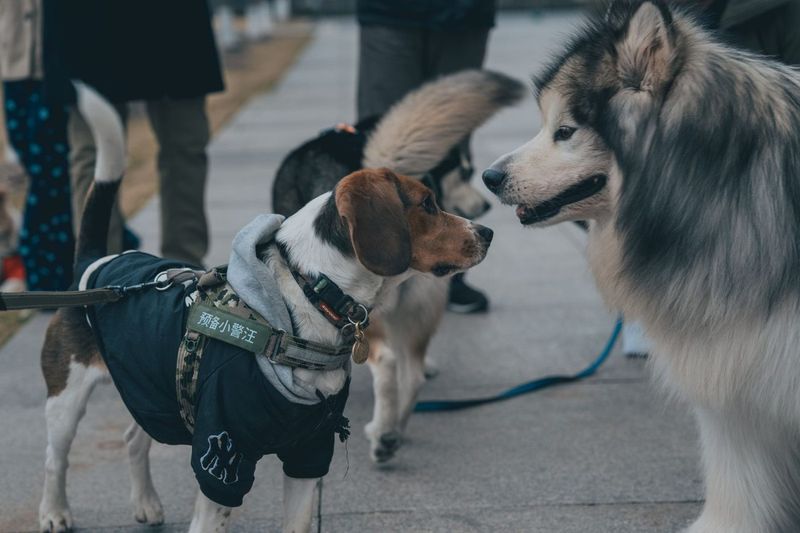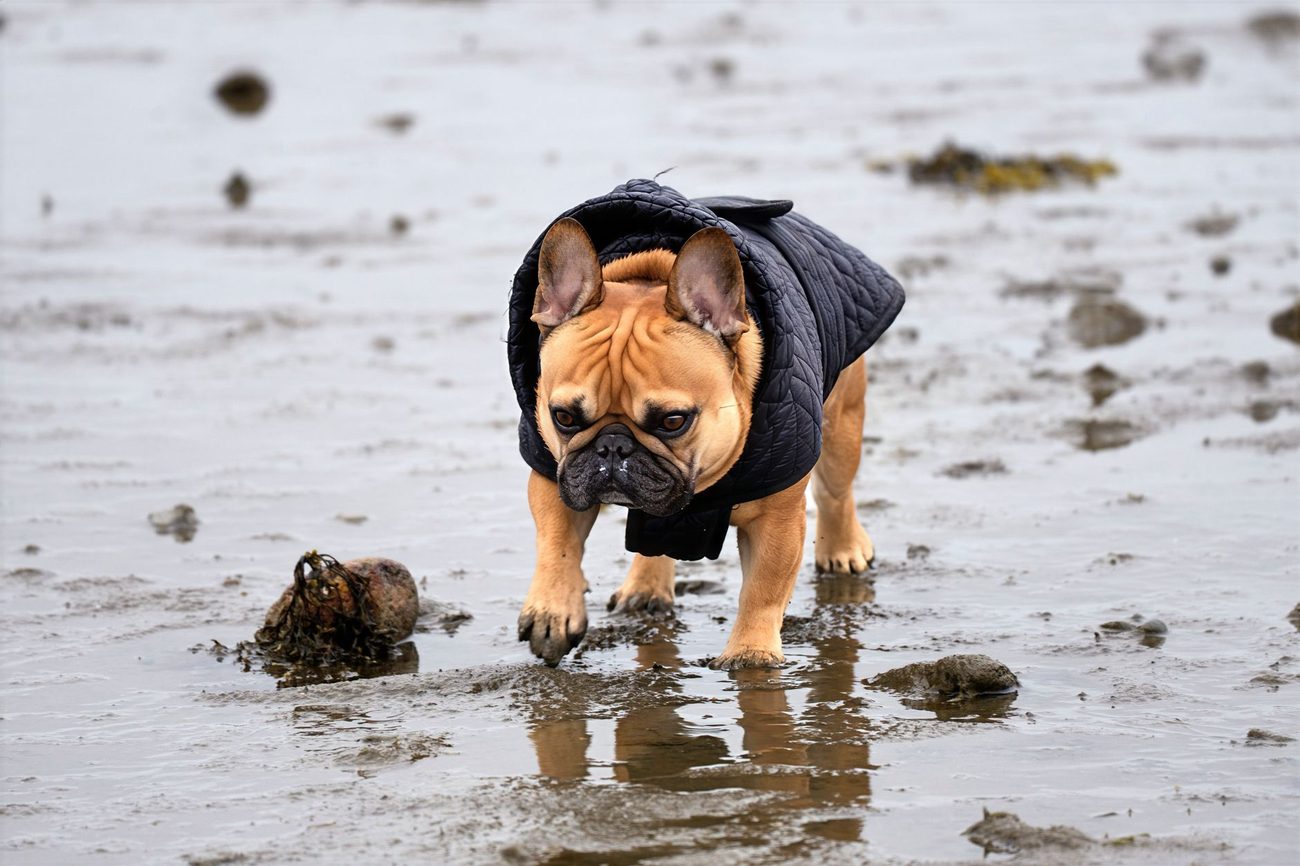
The backyard made a sucking sound under my boots this morning. That's how I know thaw season has officially started: the snow along the fence has shrunk to gray ridges, the frost is coming out of the ground, and the path Hank has worn along the chain-link is now a brown trench about six inches wide.
He runs that trench a dozen times a day, because it's the squirrel patrol route. Then he comes in through the back door, across the kitchen and onto our original oak floors with four paws that look like he's been dipped in chocolate frosting.
This is our third spring in this house with Hank, and last year I learned that mud doesn't stop at the doormat. So this March I set up an actual paw-washing station in the back entry, and after two weeks of daily use, here's what it is and what it cost.
The setup
Our back entry is narrow, more of a wide hallway than a real mudroom, with the door to the yard on one end and the kitchen on the other. There's room for one dog, one person and not much else. Everything had to fit along one wall.
- A rubber boot tray, $18 at Fleet Farm. It's about 32 inches long with a raised lip, and it's where Hank stands while I clean his feet. The lip catches the drips and the grit, and once a day I carry it out and rinse it with the hose.
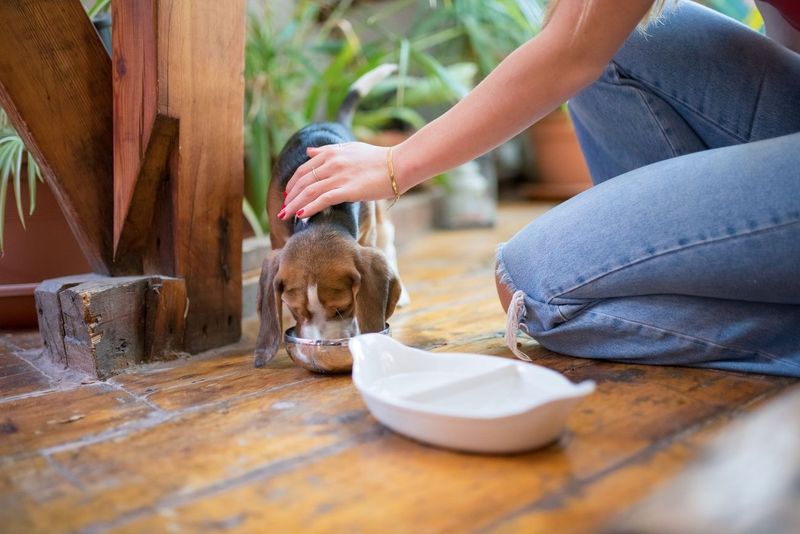
- A paw scrubber cup, $16 at Target. It's a plastic cup with soft silicone bristles inside. I fill it halfway with lukewarm water, slide one paw in, twist it gently a few times and pull it out. Then the next paw.
- A towel stack. Two microfiber dog towels ($24 for the pair) plus four old bath towels and two hand towels from the back of the linen closet. One towel hangs on a single hook by the door. The rest are folded on a shelf above the dryer in the basement.
Total new spending: $58. The old towels were free, if you don't count the fact that I'll never use them on a human again.
What works and what doesn't
The boot tray is the hero. Hank learned to step onto it in about four days, mostly because I stood at the far end holding a piece of kibble. Now he walks in and stops on it on his own, most of the time, if I'm standing there. If I'm not standing there, he barrels straight into the kitchen. That's a training problem, not a tray problem, and I haven't solved it yet.
The scrubber cup is honestly fine, with caveats. Hank's paws are big, and the large size barely fits his front feet. The water turns brown after two paws, so on bad days I'm dumping and refilling halfway through. And it doesn't do much for the long feathery fur between his toes, which holds mud like a sponge. For that, the microfiber towel and some patience do more than the cup ever will.
The towel math matters more than I expected. On a dry day he goes out four or five times and needs maybe one towel. On a muddy day each trip can use a towel and a half, because the first one gets soaked. So I keep eight in rotation and run a load of dog towels every other day, hot water, no fabric softener (it makes the microfiber less absorbent).
The mistake I made first
My first try, the week before I bought the tray, was a cotton bath rug laid inside the door. It looked cozy. By Thursday it was soaked through, gritty and smelled exactly like wet dog. Worse, it held the moisture against the oak, which is the last thing an old floor needs. I washed it twice and gave up.
The oak is the whole reason for this setup. Wet paws carry grit, grit scratches finish, and standing water on old floors leaves pale marks that don't come back out. Anything that makes it past the tray, I wipe right away with a dry microfiber cloth. If the mud makes it as far as the living room rug, the Bissell Little Green comes out, and I don't love that night.
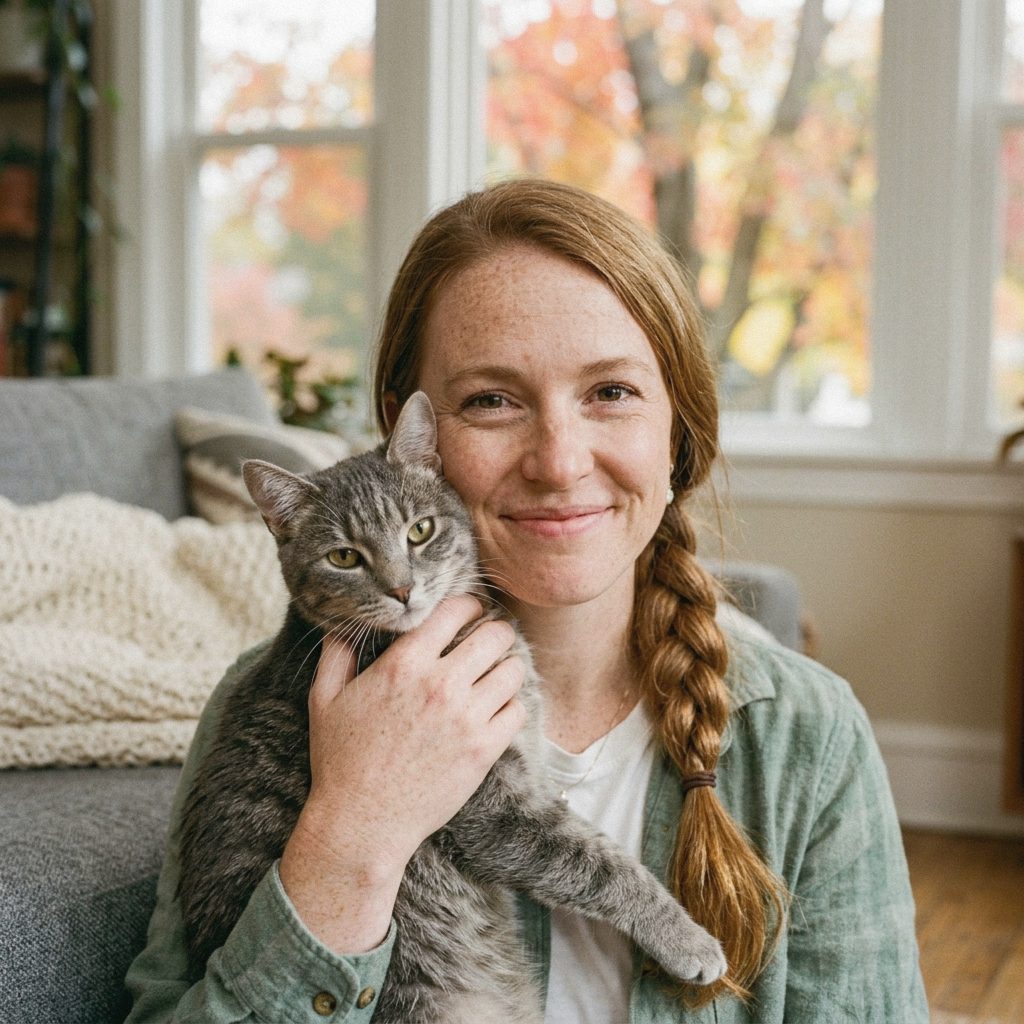
Mabel watches the whole paw routine from a kitchen chair, not offering help.
Around here thaw season usually runs into mid-April, with a few fake-outs where it freezes hard again overnight and the yard turns to rutted concrete. The tray stays by the back door until the lilacs bloom. Then it goes down to the basement and waits for fall.